200 SERIES

Operable Interior Aluminum Bulletproof Window – USAW 200

The USAW 200 Series interior bulletproof window system is a back-glazed operable aluminum window designed for bullet and blast resistance. This window is ideal for applications that desire to retain a building’s exterior appearance for aesthetic reasons or historical preservation, when only certain portions of a building require protection and are operable in-swing windows to serve as an emergency egress. These bulletproof glass windows provide enhanced security for your property without drawing undue attention to themselves. Our range of bulletproof windows are certified to protect against ballistics as well as forced entry attempts and explosions. These qualities make them ideal for safeguarding banks, government buildings, schools and other high-risk properties.

We manufacture these windows to the same exact standards of quality as the rest of our product line. Click on the links here to learn more about the other windows in this series, including the USAW 300, the USAW 400 and the USAW 800. The pride and attention to detail that go into everything we produce make us the leaders in the industry. When lives depend on it, property owners choose U.S. Bullet Proofing to help them keep employees and visitors safe.

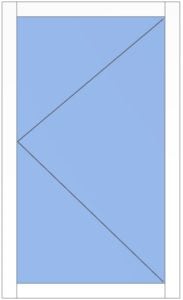
Casement (In-swing))

Frame Size: 1-1/2″  x 4- 1/8″  with custom sizes available with custom sizes available

Glazing or retrofit shall be performed from the interior.
The glazing system can be capable of accepting various thickness, ranging from ¼” to 2-1/4”.

Materials All aluminum extrusion shall be 6063-T5 alloy and temper or equal or with a minimum tensile strength (minimum 22.0 ksi ultimate, 16.0 ksi yield. All fasteners shall be zinc coated. There shall be no exposed fasteners. The interior glazing gaskets shall be a composition of Thermoplastic Elastomer (TPE 65AB) and Polyolefin Foam Concentrate (resulting in 55 to 65 Shore “A” durometer) or wet glazed as needed. Setting blocks shall be solid neoprene (80-90 Shore ”A” durometer). All neoprene shall be in strict compliance with ASTM C-509-00 Type II Option 1 and C-864-99.

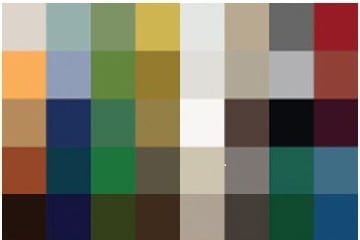
Available in clear or dark bronze anodized aluminum and Kynar painted finishes.

All necessary replacement of parts and adjustments not occasioned by accident or misuse shall be made at the vendor’s expense when notified within 30 days after customer receipt of product. All products are warranted for a period of one year from the date of customer receipt. During warranty period, all defects not caused by attack, accident or misuse through fault or negligence by the customer shall be adjusted or replaced at the vendor’s expense (excluding transportation costs).

Boxing: U.S. Bullet Proofing windows are carefully packed in plywood boxes. Each unit is cushioned throughout with styrene packing to prevent movement inside the box. Each box is marked with the identification of the unit and the shipping address. The weight and cubic feet are indicated. Each box is further marked with “Up” arrows, indicating how the box it to be transported and stored.

Shipping: Each box should be visually inspected from the outside for any damages that may have occurred during shipping. A damaged box will often result in a damaged window, especially in overseas shipping. In the event of damages, if possible photograph the box and notify the factory or the freight company. This must be done within 30 days after receipt of the unit.

Storage: It is not desirable to store units for long periods of time. However, this is often unavoidable due to construction schedules. If the units must be stored, they should be placed in a dry warehouse with moderate temperatures. High temperatures and humidity can cause formation of vapor inside the polyethylene wrapping, thus causing oxidation or corrosion of parts.

All boxes are to be placed in the upright position as indicated by the up arrows. They should not lean against a wall. The boxes should not be placed in close proximity of new cement or plaster walls.

In the event that water penetrates the storage space, it is recommended that the units be unboxed to prevent internal damage. They should be stored in an upright manner, as if still in the box.

Unpacking: Care should be taken when opening the door box to prevent damage to the unit. Also, persons unpacking the box should be aware that there are loose pieces contained in the box. Care should be exercised not to lose these parts (door closer, lock cylinders with keys, shims, mounting hardware, caulking, instructions and technical data for associated components).

Transparencies: The protected side of the transparency in some instances is polycarbonate and susceptible to scratching. Care should be taken when cleaning these surfaces. Use a mixture of liquid soap and water and clean, soft clothes or sponges for cleaning. The following cleaning agents have been found to be compatible with polycarbonate: Formula 409, Joy, Palmolive Liquid, Top Job, Windex with Ammonia D.

Fresh paint splashes, grease and smeared glazing compounds can be easily removed before drying by rubbing lightly with a good grade of VM&P naphtha, isopropyl alcohol or butyl cello solve (2- butoxy ethanol). Do not use butyl cello solve in direct sunlight.

Using a mild automobile polish can minimize scratches and minor abrasions. Three such products that tend to polish and fill scratches are: Johnson’s Paste Wax, Novus Plastic Polish #1 & #2 (Novus Inc., Minneapolis, MN), and Mirror Glaze Plastic Polish M.G.M10 (Mirror Brite Polish Co., Pasadena, CA). It is suggested that a test be made of a sample with the product selected and that the polish manufacturer’s instruction be followed.

Important Don’ts:

DO NOT use abrasive or highly alkaline cleaners on polycarbonate.

Never scrape or scrub polycarbonate with squeegees, brushes, razor blades, or other sharp instruments.

Taping notices, etc to this surface should be avoided. The tape adheres to the mar resistant coating and peels the coating off when the tape is removed.

DO NOT use benzene, gasoline, acetone or carbon tetrachloride on polycarbonate.

• DO NOT clean polycarbonate in hot sun or at elevated temperatures.

When cleaning glass, it is recommended that Windex with Ammonia D or other compatible household window cleaners be used to minimize streaking.

Aluminum: The aluminum trim can be cleaned similar to the transparent surfaces. Isopropyl alcohol can be used for tougher spots. Care should be taken not to scratch the aluminum surface.

Hardware: Maintenance of hardware devices should be in accordance with the manufacturer’s specifications. A common cause of failures in electrical devices is solenoid failure. This is most often due to power spikes or fluctuations. Improper grounding in some countries aggravates this situation.

Mechanical failures are most often caused by excessive amounts of dirt accumulating inside operating mechanisms. The use of lubricants such as WD40 and the like should be avoided. They act as a magnet in attracting dirt and sand. Another common cause of mechanical malfunctions is when devices are manhandled far beyond the manufacturer’s tolerances. If the locks are in proper adjustment, there is no need to use excessive force to open or close a device.

Warranty: All necessary replacement of parts and adjustments not occasioned by accident or misuse shall be made at the vendor’s expense when notified within 30 days after customer receipt of product. All products are warranted for a period of one year from the date of customer receipt. During warranty period, all defects not caused by attack, accident or misuse through fault or negligence by the customer shall be adjusted or replaced at the vendor’s expense (excluding transportation costs).

Disclaimer: In as much as U. S. Bulletproofing has no control over the use to which others may put this material, it does not guarantee that the same results, as those described herein will be obtained. Nor does USBP guarantee the effectiveness or safety of any possible or suggested design as illustrated herein by any photograph, technical drawing and the like. Each user of products or design or both should make his own tests to determine the suitability of the product or design or both for his own particular use.
Consult with factory.

Strategic Advantages of the USAW 200 Window System

The USAW 200 interior ballistic window system addresses a challenge many facility managers face — how to upgrade security without altering exterior architecture. This back-glazed operable window installs on the interior side of existing windows, allowing buildings to maintain their original façades while gaining ballistic protection. This approach proves particularly valuable for landmarks, historic structures, and properties in architecturally controlled districts where exterior modifications face strict limitations.

Unlike fixed security barriers, the USAW 200 functions as an operable system. The casement design allows windows to swing inward, providing ventilation when conditions permit while maintaining the ability to secure spaces quickly when threats arise. This operational flexibility makes the interior bulletproof window system suitable for spaces where occupants require both protection and environmental comfort throughout the workday.

Applications Across Diverse Facility Types

Ideal applications for the USAW 200 interior bulletproof window system include:

Courthouses

Historic courthouses represent ideal candidates for the USAW 200 window system. These buildings often feature ornate exterior windows that contribute to their architectural significance. Installing interior ballistic window systems preserves these historic elements while protecting judges, staff, and visitors from external threats. The operable design also meets emergency egress requirements, providing occupants with alternative exit routes during crises.

Colleges and Universities

University administration buildings benefit from this interior bulletproof window system when security needs escalate, but campus aesthetics must remain consistent. The back-glazed approach allows institutions to fortify administrative offices, financial aid departments, and student services areas without signaling heightened security measures through visible exterior modifications. Students and faculty continue to experience familiar campus surroundings while administrators gain peace of mind. This discreet protection strategy maintains the welcoming atmosphere essential to educational environments.

Banks and Financial Institutions

Financial institutions operating in historic downtown districts face unique security requirements. The USAW 200 enables banks to comply with insurance and regulatory security standards while respecting local preservation ordinances. Branch managers can protect teller areas and executive offices without triggering reviews from historic preservation boards, streamlining implementation and reducing project timelines. Regional banks, in particular, appreciate the ability to enhance security while maintaining a community presence and accessibility.

Emergency Egress and Life Safety Considerations

Building codes mandate emergency egress options for occupied spaces, and the USAW 200 addresses this requirement without compromising ballistic protection. The in-swing casement configuration allows occupants to open windows from the interior, creating alternative escape routes when primary exits become blocked or dangerous. This dual-purpose capability distinguishes operable systems from fixed ballistic barriers that can inadvertently trap occupants during emergencies unrelated to ballistic threats, such as fires or structural failures.

LOOKING FOR TRANSACTION AND PASS-THRU SYSTEMS?

Our partner company is a market leader in ticket windows, sliding windows and all forms of transaction systems.