
How Is Bullet-Resistant Glass Made?
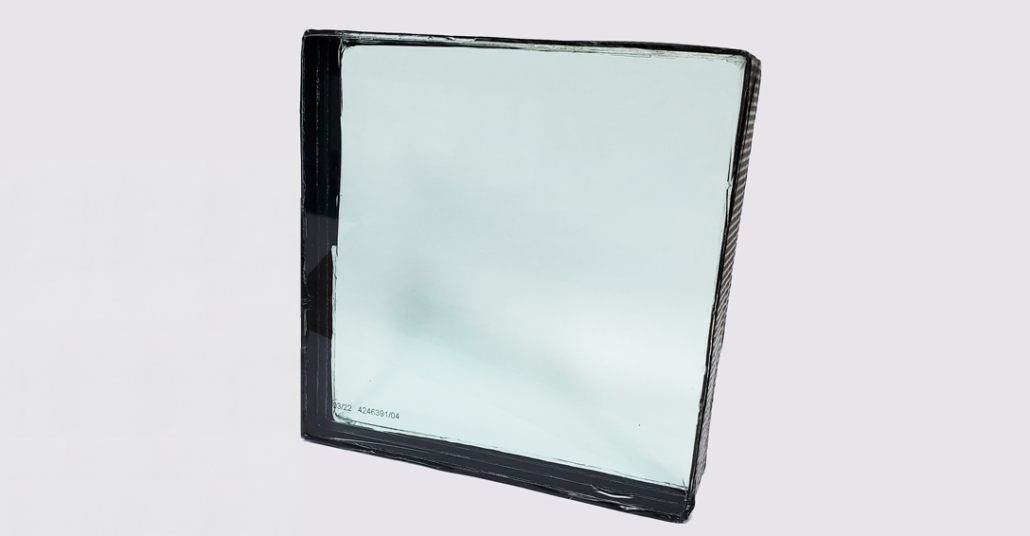
We know it’s in the name: U.S. Bullet Proofing. But truth be told, there is no such thing as “bulletproof glass.” That term gets tossed around often in place of “bullet-resistant glass” by many people, though anyone in the security industry can tell you a determined attacker with enough time and appropriately sized ammunition can breach just about any commercially available window system.
Of course, most attackers aren’t given unlimited time and stores of large-caliber ammo. The right bullet resistant products for your structure will almost always protect occupants and buy you or the authorities time to respond.
Modern bulletproof glass is transparent, so you can conduct business as usual, but also noticeable enough to discourage armed opportunists. Its light transmittance is excellent — typically 78% or higher — making it suitable for all manner of business applications, and it is inspected and graded by industry experts to ensure it performs at the expected level.
What Is Bulletproof Glass Made Of?
Not much actual glass, it turns out.
Monolithic (or solid) acrylic is the more basic of the two main categories of bulletproof glass. One of its benefits is, as a thermoplastic, it can be molded into custom shapes as well as drilled, routed, polished and cut. Typically, monolithic acrylic is installed as a solid sheet either 11/4 or 13/8 inches thick, based on the required level of protection.
Laminated polycarbonate and Glass Clad Polycarbonate is where the question of “how is bullet proof glass made?” gets a bit more complicated. Polycarbonate is a stronger material and offers 250 times the impact resistance of standard glass, but it is also lighter than glass. It is a more sophisticated product than acrylic. Various materials layered in various combinations can produce laminations with a wide range of bullet-resistant properties.
What is bullet proof glass made from? In this instance, at least one polycarbonate layer, and potentially layers of glass, each layer sandwiched around a thin polyurethane or polyvinyl butyral (PVB) membrane. Each layer has its purpose in dispersing and absorbing the bullet’s energy.
Glass-clad polycarbonate produces the thickest windows — up to 21/2 inches — in this category. At that thickness, bullet-resistant glass can withstand sustained fire from assault rifles. Other laminated polycarbonate and glass-clad polycarbonate glass options range in size from 3/4 inch to 11/4 inches, depending on the desired level of protection.
How Does It Work?
Simply, bulletproof glass is made to “catch” or absorb bullets.
Consider a modern bullet — very fast, very smooth and very destructive. A 9 mm bullet is comparable in weight to a quarter but is also roughly one-third the diameter. When fired it is traveling at about 841 mph and, unimpeded, would travel for more than a mile.
A 9 mm round, with its air-cleaving efficiency, would treat a normal plate glass window like a straw treats a juice box.
Bullet-resistant glass takes a smarter approach. A bullet will pierce the exterior layer of bullet-resistant glass by design. The polycarbonate layer underneath will absorb the bullet’s energy. Thus, the bullet stops short of getting through the entire window. The polycarbonate layer is resistant to other stressors as well, including extreme weather, explosions and various forms of attempted forced entry.
One-way bulletproof glass is particularly interesting. Its layers consist of brittle glass on the outside (or threat side) and flexible polycarbonate on the inside. Thus, shots fired from outside are slowed then absorbed. There is also a type of unidirectional, one way glass where shots from the inside (for example, an armored car) will strike the polycarbonate with more focused energy, piercing it, and will easily pass through the outer glass with only a minor loss of energy, while still being able to stop the penetration of projectiles on the threat side
Customized Security
What is bulletproof glass made of? That depends on your needs.
Typically, manufacturing starts with sheets of acrylic, glass or polycarbonate. Thicknesses are usually 1/4 to 1/2 inch. These sheets are cleaned and layered, each layer separated by sheets of urethane or PVB with thicknesses measured in thousandths of an inch.
That thin membrane allows the various plastic and glass sheets to be bonded together, which is accomplished under high heat and pressure.
Given that the layers can be fused together in any combination, different properties can be highlighted. One-way glass, as in the armored car example, is a newer innovation. Tinted or mirrored windows are other options.
Know Your Needs
Given the wide array of bullet resistant products available, it’s best to consult an expert early in your process. Government buildings and military stations face different threats than pharmacies or drive-thru restaurants. How bulletproof glass is made matters, but so does which material is chosen, how it is installed and how the total system — doors, windows and wall armor — is designed. United States Bullet Proofing is an industry leader, offering committed, innovative professional consultants, engineers, master craftsmen along with the finest materials. Contact us or request a quote to speak about the protective building needs of your next project. Trust us to protect you.
Frequently Asked Questions About How Bullet-Resistant Glass Is Made and How it Works
How Is Bullet-Resistant Glass Assembled?
Manufacturers assemble bullet-resistant glass by laminating alternating layers of polycarbonate, specialized membranes, and glass. They stack, vacuum-seal, and bond these materials under intense pressure and heat in an autoclave. This process creates a thick, resilient, and transparent panel.
How Thick Is Bulletproof Glass?
Bulletproof glass varies in thickness, typically ranging between .25 inches and 3.5 inches. Thickness depends on how many layers make up the glass, and more layers enhance the level of protection.
Can Bullet-Resistant Glass Stop Any Bullet?
No, bullet-resistant glass cannot stop any bullet. It is designed to slow and stop bullets, but it can only impede specific calibers and velocities. The type of impact a piece of glass can withstand depends on its UL 752 standard rating. A lower-rated glass can typically stop bullets from small-caliber guns such as handguns, while a higher-rated glass can usually withstand a greater impact from rifles. However, even the highest-rated glass cannot withstand impacts from high-powered, armor-piercing ammunition.
How Does Bullet-Resistant Glass Stop a Bullet?
Bullet-resistant glass stops a bullet by absorbing its energy with a polycarbonate layer. This layer slows the bullet and prevents it from moving the entire way through. One-way bullet-resistant glass features a polycarbonate layer on the inside and a brittle glass layer on the outer, or threat, side. Two-way bullet-resistant glass features polycarbonate between two layers of glass, stopping bullet from either side.
What Role do the Different Layers Play in Laminated Bullet-Resistant Glass?
The layers within bullet-resistant glass work together, each serving a different purpose:
- Outer glass layer: The outer glass layer serves as the strike face. It cracks or shatters upon impact, absorbing part of the bullet’s initial energy and flattening or deforming the projectile.
- PVB or polyurethane layer: The PVB layer is a flexible, transparent plastic adhesive that bonds glass and polycarbonate layers together. It holds shattered glass in place, preventing shards from flying inward. This material also has elastic properties that help absorb some of the bullet’s energy.
- Polycarbonate: Polycarbonate absorbs the bullet’s remaining energy after it passes through the glass and adhesive layers. This is the layer that embeds the bullet so it cannot pass the entire way through.